Merry meet!
We still have several long weeks of winter here in the Northern Hemisphere, and while the dark months have their benefits, I can’t help but look forward to spring. The sabbat Imbolc is one of the first heralds of the changing season - it marks the midpoint between the winter solstice and the spring equinox. Imbolc falls on February 1st each year.
That’s still a few weeks away, so what heralds the herald of spring? Why, snowdrops, of course!
Read on to join me in a small collection of lore, correspondences, and fun facts about the flower of Imbolc and one of the first signs of spring.

What’s in a Name?
Snowdrops are a small flowering plant in the Galanthus genus, which holds around 20 types of snowdrops. The name Galanthus comes from ancient Greek (gála, “milk”) + (ánthos, “flower”). The most common type of snowdrop is called Galanthus nivalis, where nivalis means “of the snow”. Put together, that gives common snowdrops the secondary name: “milk flower of the snow”.
Other British traditional common names include “February fairmaids”, “dingle-dangle”, “Candlemas bells”, “Mary’s tapers” and, in parts of Yorkshire, “snow piercers” ~ Wikipedia: Snowdrops
All of the snowdrops are in the Amaryllidaceae family. That makes them cousins with the amaryllis plant, which are lovely flowers that are often given as a gift around the holidays 
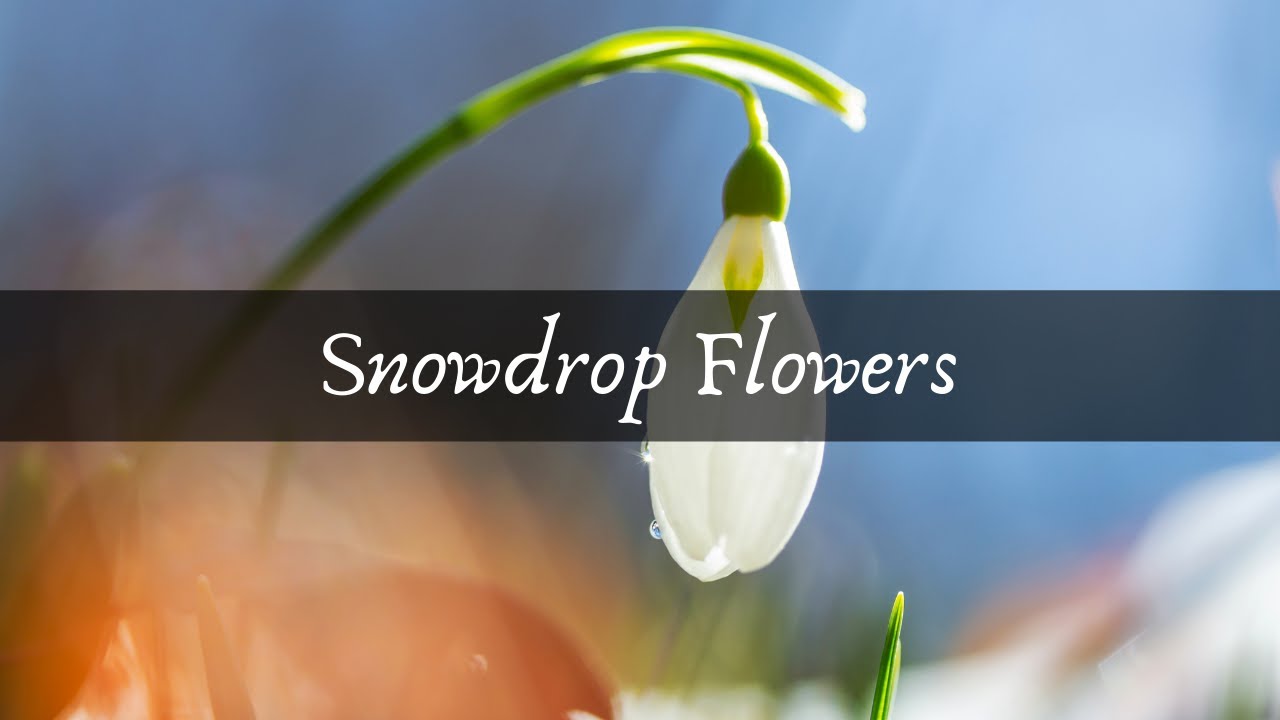
Unlike amaryllis, snowdrops are much harder to grow inside. They usually appear outside in late winter and early spring. As they peak up through the wintry blanket of white, they look like small drops of snow falling from a green stem. They truly live up to their name!
Please note that snowdrops are listed as toxic to consume for both humans and pets.

Snowdrop Lore Drop
In the Greek classic Odyssey, the main character Odysseus travels to an island where he encounters Circe - a powerful woman often described as a goddess or sorceress. Circe lives on her island with many animals. Odysseus’s men feast on Circe’s food and wine, but those that do are turned into animals such as pigs.
The God Hermes rescues Odysseus by giving a him magical protective herb known as “Moly” that prevents him from being turned into a pig.
“The root was black, while the flower was as white as milk; the gods call it Moly, Dangerous for a mortal man to pluck from the soil, but not for the deathless gods. All lies within their power”. ~ Odyssey
There has been a lot of debate and many potential real-world plants offered up as possible identities for Odyssey’s magical herb. Looking at the facts - a native plant with a black root, toxic, and with a milky white flower - snowdrop has been offered as one potential match for moly.
Medical historians have speculated that the transformation to pigs was not intended literally, but instead refers to anticholinergic intoxication whose symptoms include amnesia, hallucinations, and delusions This diagnosis would make “moly” align well with the snowdrop, a flower of the region that contains galantamine, an anticholinesterase that therefore might counteract anticholinergics. ~ Wikipedia: Moly(herb)
The toxicity of snowdrops (and the quoted “dangerous” nature of Moly) invites some uncertainty whether or not Moly/snowdrop saved Odysseus from Circe’s magick, or if the plant instead caused the hallucinations making Odysseus think his men were being transformed into pigs. Then again, this would only matter for those who believe the Odyssey is a true tale - for those who categorize the Odyssey as fantasy that draws on inspiration from the real world, Moly/snowdrop can maintain its identity as a protective herb.

Galanthus Correspondences
The following correspondences are suggestions based on the name, history, blooming season, and lore of snowdrops. Please also consider any personal associations you may have.
Season: Spring
Sabbat: Imbolc
Elements: Water  , Earth
Zodiacs: Aquarius, Pisces
Deities: Brighid, Gaia, Persephone, Hekate, Hermes, Circe

Magickal Uses
Due to their appearance in late winter/early spring and their association with a Cross Quarter Sabbat Imbolc, snowdrops can be used into spells dealing with liminality and transformation. Consider using snowdrops or depictions of snowdrops to break through periods of stagnancy, invite change, and shift perspectives.
Snowdrop’s possible identity as Moly makes it a powerful herb of protection. Snowdrop may be used to break curses, remove negative effects, or protect the wearer/holder from magickal harm.
Their name “milk flower” and blooming period make snowdrops a possible offering to fairies and Fae.
Snowdrops blooming around Imbolc would make lovely offerings for the Imbolc Goddess Brighid, the Earth goddess Gaia, or the Goddess of Spring Persephone. Their association with liminality and periods of change may also make snowdrops a good offering for Hekate, a Goddess of Crossroads.
More Green Magick
Ready for more plant lore and green witchery? Here are some more plants you may find interesting.
Ghost Pipes: A Phantom-Like Pain Killer
Calendula: Correspondences & Lore

Lemongrass: Magick and Medicine

Have you ever seen a snowdrop? What do you think about this of springtime herald?
Feel free to share your spell experiences, advice, and wisdom with fellow coven members in the comments below.
Blessed Be! 


 They do make me feel hopeful! I hope they start appearing soon (although I imagine I have at least another month here in the cold Northeast US - I’ll have to be patient!


